
 Da BYM. Certe opere dovrebbero essere viste (o lette o sentite) quante più volte possibile. È per questo che è da accogliere più che positivamente la notizia del rilascio sotto Creative Commons del documentario A Story of Healing di Donna Dewey e Rock Obenchain. Girato nella zona del delta del Mekong, in Vietnam, il film racconta il lavoro di un’équipe di Interplast composta da cinque infermieri, quattro anestesisti e tre chirurghi plastici e dei loro centodieci pazienti. Il film, uscito la prima volta nel 1997 e già vincitore dell’Oscar, ora è diventato il primo documentario insignito della statuetta d’oro disponibile in rete.
Uno bianca: negato il permesso premio a Gugliotta
StandardNiente permesso premio per Pietro Gugliotta, l’ex bandito della Uno bianca, nonostante si fosse pensato diversamente poco più di due settimane fa. Lo ha deciso il tribunale di sorveglianza che ha accolto il ricorso presentato alla procura della repubblica di Bologna contro la richiesta di cinque giorni fuori dal carcere per lavorare in una comunità della Caritas. Per il momento, il capitolo è chiuso. Almeno fino all’estate 2008, quando l’ex agente di polizia sarà scarcerato per aver finito di scontare la sua pena, passata da vent’anni a quattordici tra indulto e buona condotta.
Enough project: l’informazione anti-genocidio che passa dal vlog
StandardSu Citizentube, il vlog-contenitore di taglio politico lanciato da Youtube, viene pubblicata una serie di video sulla situazione in Darfur e ne nasce un canale promosso e dedicato al Enough project, organizzazione che si batte contro i genocidi anche in Congo e in Uganda. Passare attraverso i video ha uno scopo preciso:
The Enough community on youtube, and elsewhere online, seeks to unite and strengthen efforts of grassroots activists and concerned advocates by giving up to date information from on the ground and offering practical pressure points to end the violence.
Elezioni USA 2008: chi finanzia chi
StandardOpenSecrets.org, a tre mesi dall’avvio delle raccolte fondi dei candidati alle presidenziali USA del 2008, pubblica Banking on Becoming President. I dati sono stati diffusi dalla Federal Election Commission lunedì scorso e sono aggiornati alla fine di marzo. In testa compare la democratica Hillary Clinton con 36 milioni e rotti di dollari, ma – avverte, ne servono altri per poter competere. Particolarmente interessante Contributions from Selected Industries: i gruppi di pressione, le aziende informatiche, quelle sanitarie e l’industria dell’intrattenimento sembrano preferire la ex first lady; i proprietari di casinò e i petrolieri il repubblicano Rudolph Giuliani; gli enti di formazione Barack Obama. A breve infine arriveranno informazioni circa la raccolta di fondi via web.
Un corpo che non può cambiare
Standard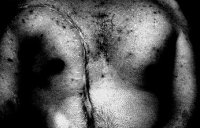 Dal sito del fotografo Thaniel Lee, a proposito di Black and White:
In this world of plastic surgery shows, model search television programs, fake talent shows, and unreal reality TV. I attempt to show a body that cannot change, a body that no amount of plastic surgery will turn into a super model, a body that is not seen in pop culture magazines or MTV […]. I have chosen to document the body as seen through the lens of the camera; the body in which I chose to document is my own. I was born with a condition called Arthrogryposis; this condition has left me with limited use of my arms, legs and fingers. Eleven operations have left me with many interesting scars and stories. Starting in 2000, I began to document my body and the many different shapes contained within. I hope that my work makes people look at their own bodies, and question the existing concepts of beauty that fill our current body obsessed culture.
Belgrado: ucciso il giornalista che indagava sui crimini di guerra
Standard Mentre arrivano le prime notizie sulla nuova Columbine, c’è una notizia che è passata quasi completamente sotto silenzio in Italia, con l’eccezione di Osservatorio Balcani: l’omicidio del giornalista di Belgrado Dejan Anastasijevic, collaboratore del settimanale politico Vreme e del Time. BoingBoing pubblica oggi un articolo scritto da Jasmina Tesanovic, che riprende quanto uscito sul sito della storica emittente B92. E in particolare fa notare l’attivista serba che il giornalista assassinato da un’autobomba insieme alla moglie e alla figlia non è stato un obiettivo a caso:
Dejan […] was among the witnesses at the Hague International War Crime Tribunal against Slobodan Milosevic. As a journalist, his main line of inquiry was the connection between war crimes committed by Serbian military and police all over former Yugoslavia in the nineties. A painful issue. Recently the International War Crime Tribunal in Hague held that the regime of Slobodan Milosevic cannot be directly linked to the mass graves in Kosovo and the genocide in Srebrenica. Therefore the Serbian state is not formally guilty of genocide — although genocide took place.
Creative Commons, i contenuti degli utenti e storie horror
StandardDal blog di Creative Commons, OECD report on CC declassified:
Participative Web: User-Created Content (pdf, 74 pages) mentions Creative Commons several times. According to the foreword:
This report was presented to the Working Party on the Information Economy (WPIE) in December 2006 and declassified by the Committee for Information, Computer and Communications Policy in March 2007.
Inoltre lo scrittore horror David Nickle accetta la sollecitazione di Cory Doctorow e di altri colleghi e, invece di lasciale nel cassetto, pubblica quattro storie, riunite sotto il nome di Free Lies – Short Fiction and Samples For Your Perusal, rilasciandole con licenza Creative Commons e scrivendo:
Here are some old stories, and some newer pieces too, for you to look at, show to your friends, and stare at on your computer screen while you marvel at the amount of time you’re spending reading about things that never ever happened, and probably won’t ever.
Casalecchio: si parla di media, cittadinanza e Omissis
StandardDue appuntamenti interessanti alla Casa della Conoscenza di Casalecchio di Reno nell’ambito di Casalecchio delle Culture:
- il primo – doppio – è per il 17 aprile: alle 15.30 si inizia Il know how della cittadinanza: ascoltare e farsi ascoltare mentre alle 20.30 sarà la volta del dibattito Cittadini e media: quale dialogo? Per entrambi è prevista la possibilità di poter seguire gli interventi in streaming
- il giorno successivo, alle 18, sarà presentato il volume Omissis. Delitti, stragi, faccendieri e servizi segreti. L’Italia degli intrighi in undici racconti
Schneier: un soggetto (in)credibile per il Movie-Plot Threat Contest
StandardDal blog di Bruce Schneier, Announcing: Second Annual Movie-Plot Threat Contest:
The first Movie-Plot Threat Contest asked you to invent a horrific and completely ridiculous, but plausible, terrorist plot […]. This year the contest is a little different. We all know that a good plot to blow up an airplane will cause the banning, or at least screening, of something innocuous. If you stop and think about it, it’s a stupid response. We screened for guns and bombs, so the terrorists used box cutters. We took away box cutters and small knives, so they hid explosives in their shoes. We started screening shoes, so they planned to use liquids. We now confiscate liquids (even though experts agree the plot was implausible)… and they’re going to do something else. We can’t win this game, so why are we playing?
Well, we are playing. And now you can, too. Your goal: invent a terrorist plot to hijack or blow up an airplane with a commonly carried item as a key component. The component should be so critical to the plot that the TSA will have no choice but to ban the item once the plot is uncovered. I want to see a plot horrific and ridiculous, but just plausible enough to take seriously.
Per farlo, c’è tempo fino al 30 aprile prossimo. Da notare che, nonostante il post sia stato pubblicato il primo aprile, Schneier puntualizza che non si tratta di uno scherzo, seppur l’iniziativa sia dettata da un umorismo tanto nero quanto assurdo perché:
terrorism is a real threat, but we’re not any safer through security measures that require us to correctly guess what the terrorists are going to do next.
Venerdì 13 e i sassi che cadono dal cielo
Standard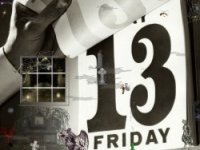 Già si era detto circa le infauste storie che nel corso della storia si sono addensate sulla combinazione venerdì 17. Anche il venerdì 13 non è che desti molta più allegria. Ci si mettano poi previsioni come quella che si riferisce a Friday the 13th, 2029:
Friday the 13th is supposed to be an unlucky day, the sort of day you trip on your shoe laces or lose your wallet or get bad news.
But maybe it’s not so bad. Consider this: On April 13th – Friday the 13th – 2029, millions of people are going to go outside, look up and marvel at their good luck. A point of light will be gliding across the sky, faster than many satellites, brighter than most stars.