
- Maurizio Matrone, L’ultimo sbirro
Mentre i miei tacchi risuonano tra le vecchie mura, penso alle storie di mio nonno. Lui aveva cominciato proprio in questa città. Mi raccontava le sue avventure con la “squadra volante”, dei poliziotti della “Uno bianca”, degli scontri con i no global, delle rivolte nei CPT, delle battaglie negli stadi, delle manifestazioni in piazza, dei tossici e dei barboni, delle file di stranieri all´Ufficio Immigrazione, delle inutili retate di prostitute e extracomunitari, dei matti da calmare, delle rapine, dei furti, dello spaccio di droga e delle liti in famiglia, tra vicini. Incredibile! Liti tra vicini. Per cosa, poi? Perché spostano i mobili, dicevano, di notte, e nessuno dorme. Mi faceva ridere.
Good Copy Bad Copy: documentario sul diritto d’autore
Standard
Good Copy Bad Copy – a documentary about the current state of copyright and culture è un film danese diretto da Andreas Johnsen, Ralf Christensen e Henrik Moltke. Dagli Stati Uniti al Brasile, dalla musica al cinema, dai fondatori della Pirate Bay a Creative Commons le realtà toccate dal documentario. Su Blip.tv si trova il trailer mentre è possibile scaricare il film per intero in formato XviD.
Videoblog targato Arcoiris su proprietà e diritto d’autore
Standardπ – VideoBlog sulla Proprietà Intellettuale di di Christian Biasco e Francesca Terri (Arcoiris):
Perché un videoblog sulla proprietà intellettuale? Siamo convinti che il tema della proprietà intellettuale sia di estrema rilevanza per ogni singolo cittadino e che lo sarà sempre di più. Si trova moltissimo materiale in internet sull’argomento, ma spesso risulta troppo complesso, oppure è solo in forma scritta. Attraverso questi video ci piacerebbe coinvolgere il pubblico alla discussione sul tema, e contribuire alla diffusione di tutti quei progetti esistenti che già offrono diversi approfondimenti.
Tre al momento le puntate disponibili:
(Via BooksBlog)
Fantascienza, antiterrorismo e tecnologia
Standard Da BYM. Si vede che i sistemi di simulazione e la teoria dei giochi non bastano più. Pare infatti che l’Homeland Security Department abbia deciso di ingaggiare alcuni scrittori di fantascienza – tra cui Jerry Pournelle, Arlan Andrews, Greg Bear (autore del grande romanzo Il risveglio di Erode), Larry Niven e Sage Walker – perché scatenino la loro fantasia e provochino catastrofi terroristiche all’interno degli Stati Uniti. Lavorando fianco a fianco con scienziati e militari, pensano al gruppo Sigma – così si chiama la divisione – si potranno prevenire futuri attentati.
Sempre in tema: Technology and Terrorism: Are we being too naive?
Libri, download e vendite: un’analisi di O’Reilly
StandardLibri liberamente scaricabili e riflessi sulle vendite delle copie cartacee in libreria: Tim O’Reilly, che di editoria se ne intende, ha scritto Free Downloads vs. Sales: A Publishing Case Study partendo dal libro Asterisk: The Future of Telephony (qui la versione elettronica) di Leif Madsen, Jared Smith e Jim Van Meggelen.
Il volume, uscito nel settembre 2005 e rilasciato con licenza Creative Commons, è stato scaricato 180 mila volte da uno dei cinque server sui quali è a disposizione eppure ha venduto 19 mila copie, in base ai dati di Bookscan, che monitora il 70 per cento del mercato dell’editoria tecnica statunitense. Che, per un libro, per di più specialistico, non è un risultato affatto male rispetto alla “vita media” di un testo del genere.

This kind of sales drop is not completely inconsistent with the sales pattern from many other books. And for authors who want to reach the widest audience, it’s certainly possible that even if free downloads did shave a percentage from sales, the tradeoff is worth it (see Piracy is Progressive Taxation).
Per quanto riguarda esempi italiani e genere totalmente diversi, qualche dato indicativo lo si può estrapolare dall’operazione glasnost di Wu Ming i cui libri, oltre a essere in libreria con editori tutt’altro che marginali, dispongono delle copie elettroniche integrali da poter scaricare.
Qualche lettura su libri, affini e coda lunga: I libri dalla coda lunga, Quelli della coda lunga, Economia, crescita, felicità.
Santoro e Vespa: due trasmissioni, due facce
StandardCalato il sipario di RaiDue su AnnoZero e sulla puntata incentrata intorno al Crimen Sollecitationis, si apre quello di RaiUno con Bruno Vespa che dedica la puntata di Porta a Porta alle apparizioni mariane di Fatima. Tra gli ospiti Giulio Andreotti che racconta della spiritualità che la località e la sua storia gli ispirano. A corredo grandi parole di incensamento per l’istituzione chiesa mentre fino a pochi minuti prima alla stessa istituzione si chiedeva di rompere il silenzio sugli abusi contestati. Da Vespa però il silenzio su cui ci si concentra si limita al mistero sul quarto segreto ricevuto nella località portoghese.
Sciopero per il full copyright: a nome di chi?
StandardDalla lista del Bologna Free Software Forum, si segnala un articolo uscito sul Messaggero di oggi: Una settimana senza film, teatro e musica. Artisti in sciopero per difendere il copyright:
Gli artisti italiani hanno deciso di indire una settimana di serrata dello spettacolo per sollecitare l’attenzione del governo italiano e delle istituzioni internazionali sulla tutela del diritto d’autore, che ritengono minacciata da tentativi di esproprio nel nome del libero accesso alla cultura.
[…]
Gli autori italiani hanno spiegato le ragioni della loro richiesta al presidente della Siae Giorgio Assumma, a capo della delegazione italiana, di cui hanno fatto parte i due premi oscar Nicola Piovani e Vittorio Storaro. «In Italia non c’è attenzione ai diritti degli autori», ha detto Assumma. «Gli autori hanno ragione da vendere. Nel nostro paese le forze politiche hanno scarsa considerazione del diritto d’autore, quando talvolta non prendono posizioni inaccettabili, quasi a voler cancellare quello che la legge definisce come un vero e proprio diritto del lavoro».
E avanti a scagliarsi contro il selvaggio web. Ma chi sono gli autori rappresentati da Piovani (tra l’altro Premio Siae nel 1997) e Storaro che si rivolgono ad Assumma durante il Copyright Summit? Chissà se ne esiste un elenco. Intanto reportage simili su Repubblica e LaStampa.
Segreti di Stato sulle questioni scomode
StandardGli appuntamenti importanti non si mancano e Romano Prodi dice che ci sarà alla riunione dei 45 del partito democratico. Lo scrive forse in fretta mentre conferma quanto si afferma sul rapimento di Giuliana Sgrena: consultatosi con i servizi, non vede altra strada che apporre il segreto di Stato sulle attività condotte per arrivare alla liberazione della giornalista del Manifesto.
Intanto, sull’altra vicenda che si vuole mettere sotto chiave, il sequestro dell’imam Abu Omar, i magistrati titolari dell’inchiesta preparano le controdeduzioni per difendere l’indagine e i rinvii a giudizio. Si legge su Aprile Online:
I magistrati milanesi ribadiscono che non è mai stato opposto il segreto di Stato alla Procura in relazione agli atti acquisiti nel procedimento a carico di alcuni agenti del Sismi, tra i quali l’ex direttore Nicolò Pollari, e agenti della Cia. Che non sono mai stati utilizzati nell’indagine atti coperti dal segreto di Stato. Che la lettera inviata dal presidente del Consiglio in carica Romano Prodi alla Procura, nella quale si ribadiva il segreto di Stato, non può che riferirsi ad atti mai acquisiti dalla magistratura. Che le intercettazioni disposte su 8 (e non 180) utenze di agenti, all’epoca indagati, del Sismi sono assolutamente legali perché autorizzati dal gip e perché non esiste un divieto ad intercettare gli 007 del Sismi.
Infine, che è falso che siano state esercitate pressioni su indagati e testimoni, nel corso delle indagini svolte, per indurli a violare il segreto di Stato. A questo proposito, la Procura di Milano si riserva di denunciare, per reati ancora da prospettare, coloro che hanno redatto l’atto relativo al conflitto tra poteri dello Stato e quanti l’hanno approvato.
Dalla rete: una serie di coni d’ombra
Standard- PeaceReporter, Caso Hanefi, Emergency: “I crimini di Kabul e l’ignavia di Roma” 1 e 2
Le scadenze previste anche dalle «autorità competenti» sono quotidianamente rinviate, gli impegni sistematicamente elusi, mentre si è giunti oggi, 30 maggio, a 72 giorni di illegale detenzione (un autentico sequestro di persona)
- Lipperatura, Free Tinky Winky
Uno di questi giorni dobbiamo fare un discorso sul “mercato”. Sui “mercati”, anzi. Uno di questi giorni dobbiamo parlare del concetto di esperienza e di esperto.
- Sandro Ruotolo, Non commettere atti impuri 2
Vigilia ansiosa […] per le dichiarazioni di ieri sera a Ballarò del leader di An, Gianfranco Fini, che si è detto certo che la Rai non manderà in onda il video della Bbc “Sexy crimes and the Vatican”.
- Pino Scaccia, Le regole del clan
Barbara Cicioni, in crisi da figlia di separati, era raggiante di entrare in un clan, così protettivo. E invece non sapeva ancora di infilarsi nell’inferno. Il primo schiaffo l’ha preso quando erano ancora fidanzati perché si era fatta il buco all’orecchio. Otto anni fa, nel ’99.
- Radio Radicale, Il video degli arresti e pestaggi al Gay Pride di Mosca
Uova marce, pugni, calci davanti alla polizia che non interveniva. In un video esclusivo [..] i pestaggi contro i partecipanti al Gay Pride, l’arresto di Marco Cappato da parte delle forze speciali russe, il duo Tatu, la complicità della polizia russa con i naziskin e gli ortodossi anti-gay.
- Fronte della Comunicazione, Richiesta d’aiuto nei commenti: la risposta della Farnesina
Be’, se Pietro Calfapietra ci dovesse leggere, sappia che ci deve mandare il suo indirizzo di residenza, la data di nascita e tutti gli elementi anagrafici che può fornirci. La richiesta suona assurda e lo è, ma pare che sia l’unico modo attraverso cui far partire una richiesta di assistenza da parte della Farnesina.
“Lasciate stare a Placanica sennò vi faremo saltare in aria”
Standard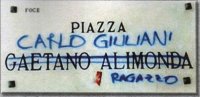 Ezio Menzione non è di quegli avvocati abituati a cause facili, considerando che uno dei suoi clienti è stato Ovidio Bompressi e che rimane convinto della sua estraneità all’omicidio del commissario Luigi Calabresi. Attivista del movimento omosessuale all’interno dell’ArciGay e sostenitore dei DICO, dopo i fatti di Genova l’avvocato Menzione si è mobilitato per assumere la difesa dei manifestanti che, durante il G8 del luglio 2001, avevano subito violenze e, tirato in ballo l’ex carabiniere Mario Placanica perché raccontasse di nuovo la propria versione dei fatti sulla morte di Carlo Giuliani, che gli succede? Gli arriva a casa una telefonata anonima in cui lo si avverte: “lasciate stare a Placanica, sennò vi faremo saltare in aria”.
Commenta in proposito Haidi Gaggio Giuliani:
Siamo un paese civile dove testimoni scomodi di processi vengono minacciati o addirittura quasi “fatti suicidare”; un paese civile dove avvocati nella loro piena funzione vengono minacciati di morte. La domanda da porsi allora è: a chi può dare fastidio che Mario Placanica venga a testimoniare? Evidentemente Mario Placanica avrebbe qualcosa da dire di scomodo.